
Human Genetics
Human genetics is a wide field of study that explores the inheritance and variation of genes within the human population. Understanding human genetics allows us to unravel the intricate connections between our genes, health, and overall well-being. By studying human genetics, our researchers aim to gain insights into the development of Alzheimer’s disease and related dementias.
What are Human Genes?
Human genes are segments of DNA (deoxyribonucleic acid) that contain instructions for building and maintaining the human body. Genes are the basic units of heredity and determine various traits and characteristics in humans, such as physical features, susceptibility to diseases, metabolism, and even behavioral tendencies.
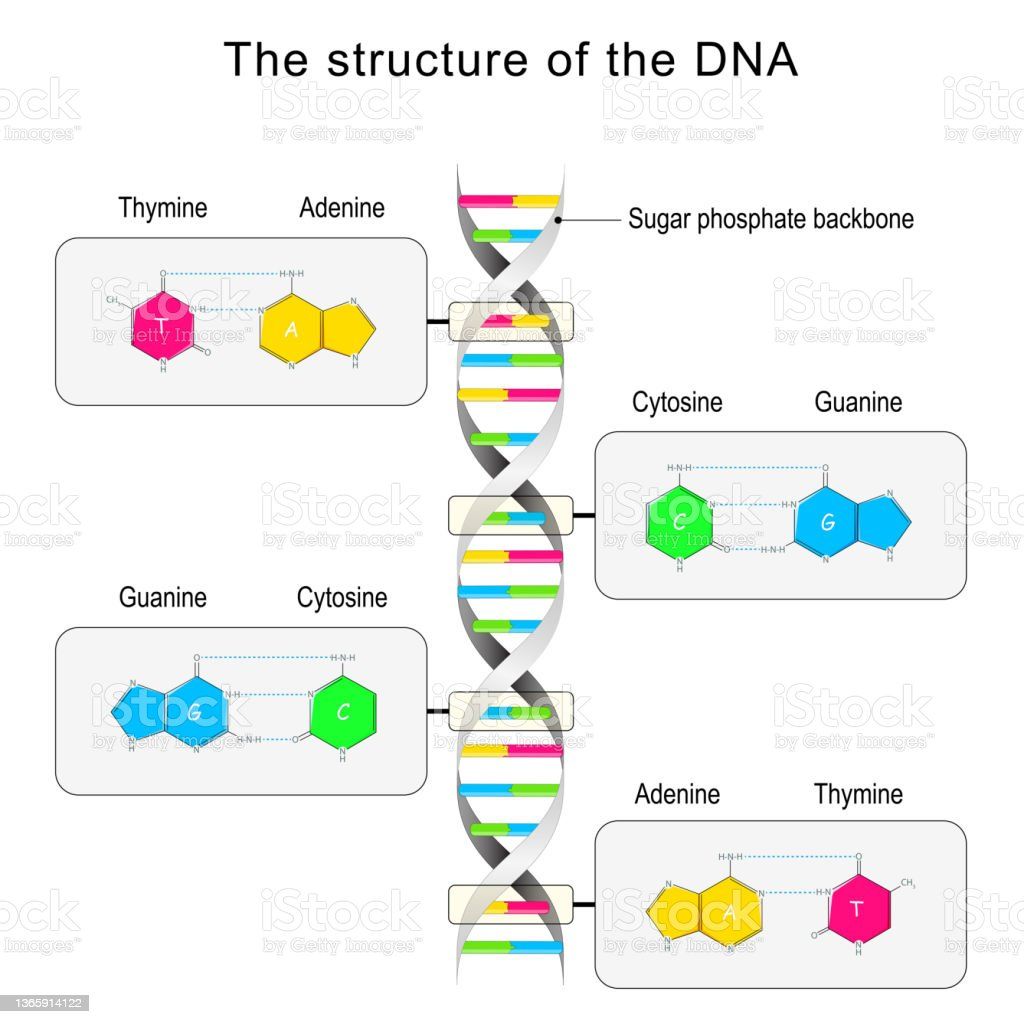
Each gene is composed of a specific sequence of nucleotides, which are the building blocks of DNA. The four nucleotides found in DNA are adenine (A), thymine (T), cytosine (C), and guanine (G). The order and combination of these nucleotides within a gene determine the specific instructions it carries.
Genes function by providing instructions for the synthesis of proteins, which are essential molecules for the structure and function of cells. Proteins play various roles in the body, including enzymes that catalyze chemical reactions, structural components, and signaling molecules. Gene expression is the process by which the information in a gene is used to synthesize a protein.
Humans have approximately 20,000 to 25,000 genes, which make up only a small portion of the total DNA in our cells. The rest of the DNA consists of non-coding regions that regulate gene expression, provide structural support, and have other yet-to-be-fully-understood functions.
The Human Genome Project, completed in 2003, was a landmark scientific endeavor that aimed to map and sequence the entire human genome, identifying and cataloging all the genes present in human DNA. This project has greatly contributed to our understanding of human genetics and its implications for health and disease.
What are Genetic Variants?
- Genetic variants refer to differences in DNA sequence between individuals, which can occur naturally in the population. These variants can be common or rare and can involve a single nucleotide change (known as a single nucleotide variant or SNV), small insertions or deletions (known as indels), or larger structural variations such as duplications, deletions, and inversions.
- Most genetic variants are neutral and do not cause any changes in gene function or disease risk. However, some genetic variants can have functional consequences and may be associated with an increased risk of developing certain diseases or conditions. For example, certain genetic variants are associated with an increased risk of developing breast cancer or heart disease.
- One common type of genetic variant is a single nucleotide polymorphism (SNP), which is a variation that involves a change in a single nucleotide base. SNPs are the most common type of genetic variation in humans, and they can be used as genetic markers to study complex traits and diseases.
- Genetic variants can be inherited from one or both parents and can be used in genetic testing to assess an individual’s risk of developing certain diseases or conditions. They can also be used to study the genetic basis of complex diseases and to identify new targets for drug development.
What are Genetic Mutations?
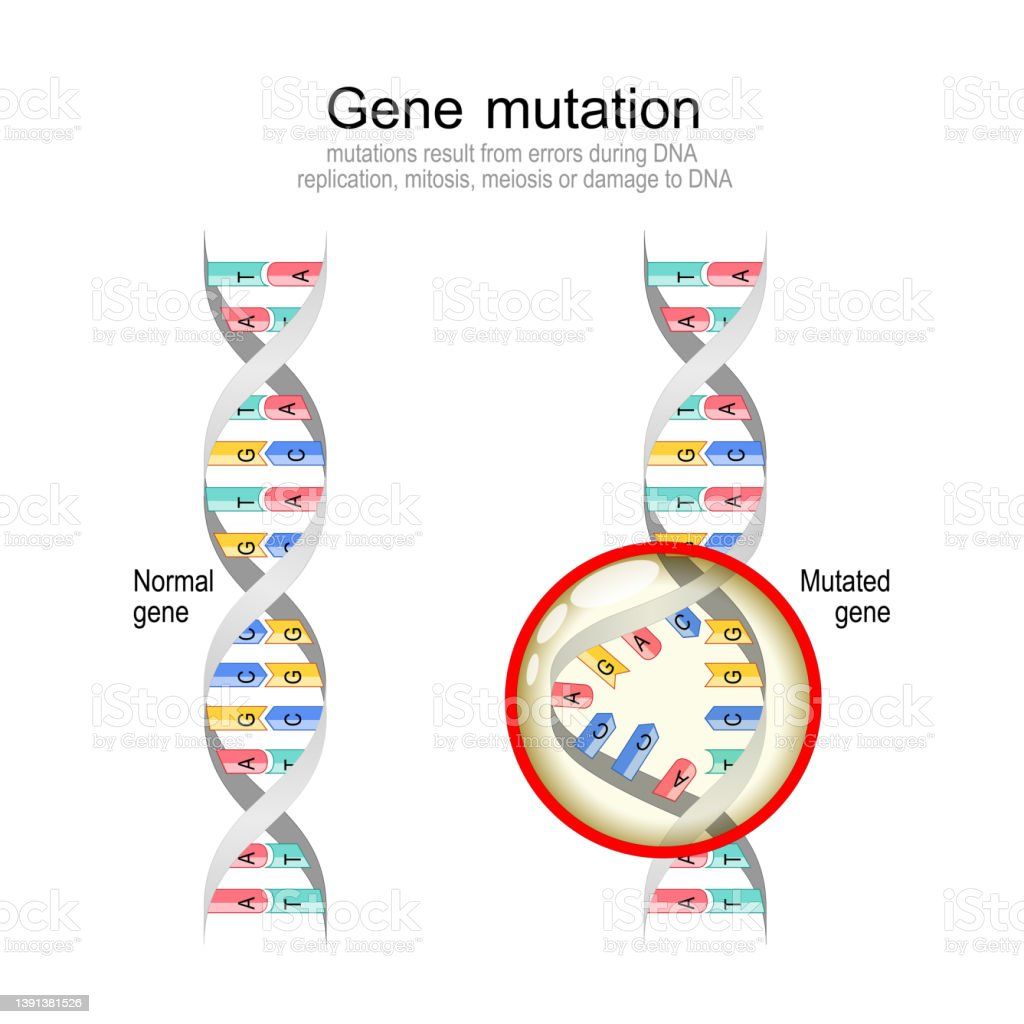
Genetic mutations are changes that occur in the DNA sequence of a gene. DNA, which stands for deoxyribonucleic acid, is the molecule that carries the genetic information of an organism. It is composed of four nucleotide bases: adenine (A), thymine (T), cytosine (C), and guanine (G), arranged in a specific sequence.
Mutations can occur when there is an error in the process of DNA replication or when DNA is exposed to certain environmental factors, such as radiation or certain chemicals. Mutations can also be inherited from one or both parents.
There are several types of mutations that can occur in a gene, including:
- Substitutions: This type of mutation occurs when one nucleotide base is replaced by another. For example, a substitution of A for G in the DNA sequence.
- Deletions: This type of mutation occurs when one or more nucleotide bases are deleted from the DNA sequence.
- Insertions: This type of mutation occurs when one or more nucleotide bases are added to the DNA sequence.
- Frameshift: This type of mutation occurs when a deletion or insertion changes the reading frame of the gene, resulting in a different amino acid sequence.
Mutations can have varying effects on the function of a gene and the protein it codes for. Some mutations may have no effect, while others can cause a protein to be nonfunctional or to function differently, which can lead to disease.
What are Genetic Risk Factors?
Genetic risk factors are specific variations in an individual’s DNA that increase their likelihood of developing a particular disease or condition. These genetic variations, or genetic markers, can be inherited from one or both parents and can increase an individual’s susceptibility to a disease or condition by altering the structure or function of specific proteins or affecting the expression of certain genes.
There are two main types of genetic risk factors:
- Common genetic variants: These are genetic variations that occur frequently in the general population and are associated with a small increase in disease risk. Common genetic variants are usually identified through genome-wide association studies (GWAS), which analyze the DNA of thousands of individuals to identify common genetic markers associated with a particular disease or condition.
- Rare genetic variants: These are genetic variations that occur infrequently in the general population and are associated with a higher increase in disease risk. Rare genetic variants are usually identified through family studies, where the DNA of individuals with a family history of a particular disease or condition is analyzed to identify rare genetic markers associated with the disease or condition.
Genetic risk factors can be used to assess an individual’s risk of developing a particular disease or condition and can be incorporated into personalized medicine approaches to prevent or treat disease. However, it’s important to note that having a genetic risk factor for a particular disease or condition does not mean that an individual will definitely develop the disease or condition. Other factors, such as lifestyle and environmental factors, also play a role in the development of most diseases and conditions.
What are Protective Factor Genes?
Protective factor genes are genes that help to reduce the risk of developing a particular disease or condition.
To learn more about the role genes and genetics play in Alzheimer’s Disease, please visit Genetics of Alzheimer’s Disease.